Our planet, The Earth is incredibly surprising place. Every moment some scientist discover some new breathtaking informations about the globe. This is what made so curious about our place of living, the space and everything that may exist beside. I remember clearly, that I wanted to be a scientist since I was a kid. Scientists’ work has been always intriguing me.
It seemed to be so cool to search for something that nobody thinks exists, then explore, analyse, investigate. That was always so interesting to me, and it still is. Finally, after many years of wondering about working as a scientist-explorer I decided to quit from school where I used to teach young people are start my career in exploring the world. Now I have the best job I could ever imagine. I run across the world searching for some mystifying facts about the world. Though we keep exploring the Earth’s secrets, most probably we will never know everything about it.
The deepest secrets are hidden thousands kilometres beneath the surface. Well, one is certain, there is never gonna be lack of something to learn about our green planet. However, as a scientist and very interested it geography person I was always fascinated with the places on the Earth that are in some kind record-breaking. So I was travelling a lot around the world in search of the deepest, the highest, the coldest or the hottest places in the world.
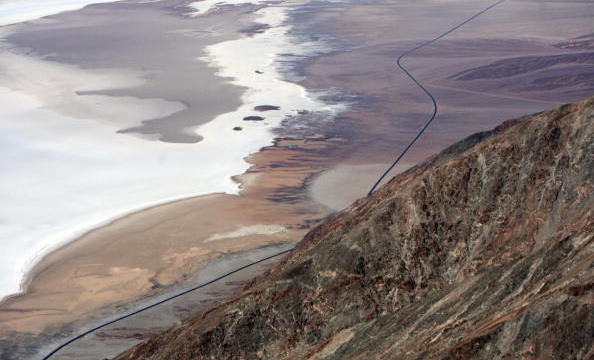
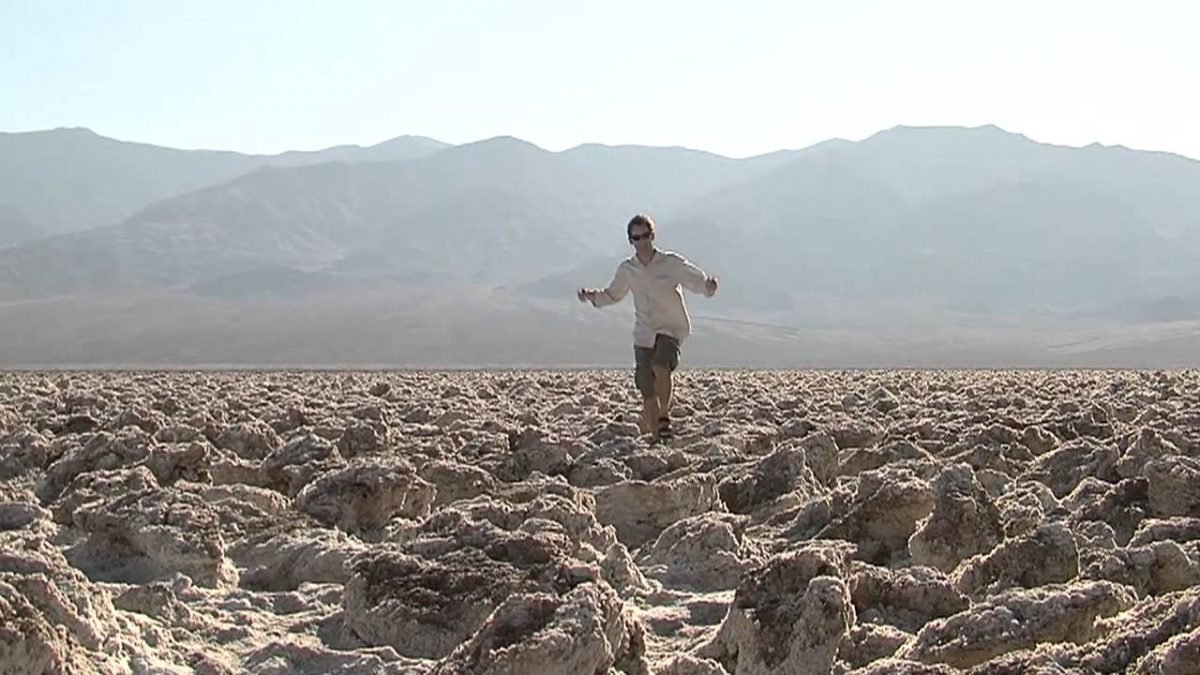
And the last ones have interested me the most, definitely. That’s so incredible our planet is so differential regarding temperature. But what surprised me the most was that it wasn’t The Death Valley either Ethiopia the hottest spots all over the world. Not any more. So, where the highest temperature was noted? Check it out clicking on each bookmarks.